
An arrest and charges for drunk driving can have a devastating impact on your life. Arrests often happen at DUI checkpoints or when a traffic officer suspects you of operating the vehicle while impaired. Even when you are facing suspicion of this crime, you have rights, including the right to remain silent. During and after the arrest, officers will administer different tests to determine your level of intoxication.
Chemical tests, which include breathalyzer and blood tests, yield key evidence for the DUI case. As a holder of a valid driver’s license, you have the obligation to take these tests. Refusing the tests or failing to provide the required information to officers can have serious consequences for your case. However, some laws protect you if proper procedures are not followed. Understanding the impact of refusal or remaining silent can help you prepare effectively for your DUI case.
Silence in a California DUI Case
During an arrest and interrogation for a DUI case, anything you say can be used against you in the case. However, your silence may be protected by the Fifth Amendment to the U.S. Constitution. The Fifth Amendment protects you from being forced to provide evidence that could incriminate you.
The legal effect of your silence in a DUI case depends on the circumstances. The court may consider whether you were questioned before or after your arrest and whether you had received Miranda warnings. During a DUI stop, an officer may ask you questions to determine whether you were drinking and how much alcohol you consumed. You can choose not to answer that question. In this case, the prosecution cannot use the silence as evidence that you were driving drunk.
However, other evidence and observations at the stop could support the DUI theory. You are protected from self-incrimination after the officer has advised you of your Miranda rights. The Miranda rights allow you to remain silent and grant you the right to seek legal representation. To avoid self-incrimination, you should consider remaining silent until you consult your lawyer.
Once those protections apply, prosecutors face additional restrictions on how they may use your silence. However, Miranda does not automatically exclude every statement you made before your arrest. The court must examine when you made the statement, whether you were in custody, and whether police questioning violated your rights.
Your silence does not prevent officers from collecting other lawful evidence. They may rely on observations, witness statements, and video footage in your case.
Refusal in a Drunk Driving Case
When you are facing an arrest and interrogation for an alleged DUI, several tests are administered. These include the field sobriety test, the preliminary alcohol screening test, the breathalyzer test, and the blood test. A preliminary alcohol screening (PAS) test is a roadside breath test administered during an investigation for suspected DUI. If you are over twenty-one years old and are not on DUI probation, a PAS before an arrest is optional.
If the officer asks you to take a roadside PAS test, the legal consequences of refusing it may differ from the consequences of refusing a post-arrest chemical test. Refusing this test will not result in automatic suspension of our driving privileges. However, it will not prevent the officer from moving forward with the DUI investigation. The officer in this case may consider other factors, such as your driving conduct, speed, and response to questions, as evidence of DUI.
If you are arrested, different testing requirements may apply under California Vehicle Code Section 23612. Drivers under 21 and people on DUI probation may be subject to additional requirements. Therefore, you should not assume that the rules applicable to one driver necessarily apply to you. After an arrest, an officer will administer a blood or breath test. The breath test requires you to blow into a breathalyzer device to check your BAC.
California has laws governing how breathalyzer tests should be performed. Also, some regulations dictate the calibration and maintenance of the breathalyzer devices. Before administering this test, the officer must explain the consequences of a refusal. Additionally, they must ensure that you are physically able to take the test.
A blood test, on the other hand, requires submission of a blood sample to the laboratory for testing. Operating a vehicle in California means that you consent to chemical tests when you are suspected of DUI. For this reason, these tests are not optional. Although an officer may not coerce you into taking these tests, there are consequences to a refusal.
Difference Between Silence and Refusing a DUI Test
California law treats silence during questioning differently from refusing a chemical test. Since each decision can have different legal consequences, you should understand how each affects your case:
Remaining Silent During Police Questioning
You generally have the right not to answer questions that could incriminate you during a DUI investigation. This protection may apply when an officer inquires about your drinking-and-driving conduct. You do not have to provide a confession to help establish the prosecution’s case. If you invoke your right to remain silent after receiving Miranda warnings, officers must respect the applicable legal protections.
However, not all interactions with police are covered by the same rules. Miranda protections only apply to custodial interrogation. Therefore, the questions asked during a routine stop may not count.
Refusing a Chemical Test
The issues surrounding chemical test refusal differ from those surrounding silence. This is because California has an implied consent law. Under VC 23612, drivers who lawfully drive in California have consented to chemical testing for alcohol or drugs. If you refuse a required chemical test after a lawful arrest, you may face serious consequences.
A preliminary alcohol screening (PAS) test conducted at the roadside is not always treated the same as a post-arrest breath or blood test. Special rules may apply to drivers under 21 and people on DUI.
Consequences of Refusing a Chemical Test in California
Chemical test results are crucial evidence in a California DUI case. Law enforcement officers will administer a breathalyzer test at the DUI stop and confirm the results with a blood test after an arrest. Under the implied consent laws, holding a valid driver’s license means you must submit to chemical testing after an arrest for drunk driving. Although the officers cannot force you to take the tests, a refusal can have severe consequences. These consequences could impact your driving privileges and your criminal case. They include:
Driver’s License Suspension or Revocation
Suspending your driver’s license is one of the most dreaded consequences of a DUI in California. Often, you could face a suspension even before your case goes to trial. This is common for defendants who refuse to take the chemical tests. For drivers aged twenty-one years or older, refusing a chemical test can result in these DMV penalties:
- A one-year license suspension for your first offense
- A two-year license revocation for a second refusal in ten years
- A three-year license revocation for the third and subsequent refusals within ten years
After an arrest for suspected DUI, where you refused the chemical tests, you may have the right to challenge the DMV’s proposed action. You can do so by requesting and attending an administrative hearing. You should pay close attention to the deadline for requesting a hearing. The DMV generally provides a limited period to request review after a DUI arrest, and missing that deadline can affect your options.
The hearing addresses whether the officer had the required legal basis for the arrest. Also, it helps determine whether the arresting officer asked you to complete the test.
Additional Criminal Penalties
Many people assume that refusing a chemical test will immediately provide the evidence needed for a DUI conviction. However, the refusal can impact the penalties you will face for the offense. The applicable penalties will depend on the offense, your criminal record, and other relevant circumstances.
A chemical test refusal does not automatically mean you are guilty of drunk driving. However, the prosecution may use this evidence to support the argument that you were impaired.
Defenses Against Refusal and Silence in California DUI Cases
If you remain silent or refuse to take the necessary tests for a DUI arrest, the prosecution can use this evidence in your case. You may have grounds to challenge how that evidence was obtained or used under these circumstances. Common defenses you could use in this case include:
Your Constitutional Rights Were Violated
Your lawyer will know if you have been interrogated for violating your Miranda rights. Miranda rights ensure you can keep quiet and have a lawyer after being arrested. If your Miranda rights protect your silence, you will be able to argue based on the same in court. If your right to remain silent was invoked after you were informed about your Miranda rights, the prosecution cannot force you to talk. Also, they cannot use your silence as evidence of guilt.
The Arrest Was Not Lawful
California’s implied consent requirements apply to chemical testing following a lawful DUI arrest. If the officer lacked the required legal basis for the arrest, your attorney may challenge whether the refusal provisions apply. Whether an arrest is lawful depends on the circumstances of the stop and the available evidence.
An unlawful arrest does not resolve the issue of chemical test refusal. However, it may provide an important basis for contesting evidence or DMV action.
You Did Not Refuse the Test
The prosecution must prove that you refused to complete the required test before the DMV imposes additional action on you. The evidence supporting this claim may include testimony from arresting officers or video footage from the police station. Simply claiming that you did not intend to refuse may not be enough if your conduct legally amounted to a refusal.
Therefore, you can argue that you did not understand what the officer requested or that you were not informed about what was going on. An officer is obligated to walk you through the events leading up to the obtaining of a sample.
You Were Not Informed of the Consequences of Refusing the Tests
California law requires officers to advise drivers of the consequences of refusing a chemical test. These warnings are important because they inform you that refusing the test can affect your driving privileges. To determine whether you received the appropriate warning, your attorney can review:
- The officer’s statements
- The arrest report
- Available recordings
You can challenge the DMV action if the officers failed to adequately warn you that a refusal of the tests can attract a license suspension. However, a minor difference in wording does not invalidate the allegation of refusal. The court will focus on whether the officer met applicable legal requirements.
The Evidence Does Not Establish Impairment
Even when the court admits evidence of a refusal, the prosecution must prove the DUI charge beyond a reasonable doubt. An attorney can dispute the evidence offered in your case. Furthermore, they can contest whether the refusal actually contributes to the prosecutor’s case. The objective of this legal defense is to make sure that the jury does not view your refusal as absolute proof of guilt.
Find a Competent DUI Defense Attorney Near Me
During and after an arrest for DUI, you may undergo interrogations regarding the events that led to the crime. After the arrest, an officer may administer chemical tests to determine your level of intoxication. You have the right to remain silent. An officer cannot force you to take any tests. However, your silence or refusal can affect a California DUI case. The legal consequences you will face for silence or denial may vary depending on the circumstances.
If you refuse a required breath or blood test, you may face DMV license consequences. Additionally, the prosecution may ask the jury to consider your refusal as evidence of guilt. A refusal alone cannot prove you were driving under the influence. If you are facing a DUI charge and you refused to take a chemical test or failed to answer specific questions, you will need legal guidance.
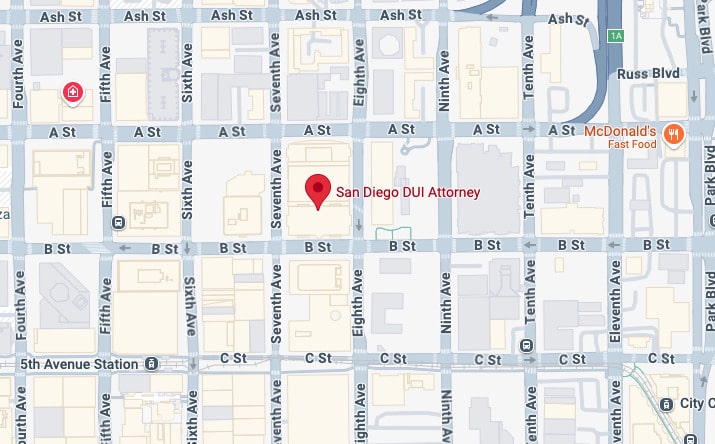
At San Diego DUI Attorney, we offer reliable legal insight for our clients battling a drunk driving charge in San Diego, CA. Call us at 619-535-7150 to discuss your case.