A DUI charge is not a warning. It is a life-changing legal crisis. The immediate and harsh penalties include fines, suspension of your license, ignition interlocks, and even jail time. A DUI conviction will leave a permanent mark on your record. It will harm your employment opportunities and increase insurance premiums for years to come. DUI litigation is complex and often challenging, and defendants face significant legal disadvantages.
Facing this alone means confronting specialized prosecution without the necessary legal knowledge. You cannot rely on hope alone. You need to understand the limitations of sobriety tests, breathalyzer devices, and the scope of your constitutional rights. The time to build a strong defense is limited, beginning immediately after the arrest. Any delay can significantly weaken your case.
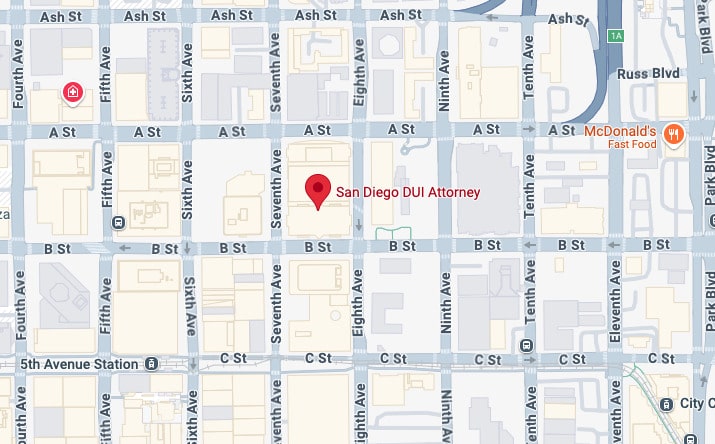
When facing DUI-related charges, you need focused and aggressive legal defense representation from experienced Descanso DUI attorneys. Your future may depend on the steps you take immediately after being accused of a DUI. Contact the San Diego DUI Attorney for a confidential consultation. Secure expert representation and start fighting for your rights. Let us look at driving under the influence (DUI) in more detail.
The Rise of Drug-Impaired Driving (DUID)
Driving under the influence of drugs (DUID) has become an increasingly complex and significant criminal offense. Although most people focus on alcohol-impaired driving, Vehicle Code 23152(f) VC clearly prohibits operating a vehicle under the influence of any substance, legal or illegal, if it impairs your ability to drive safely. As a driver, it is important to understand the key differences between DUID and alcohol-based DUI.
A significant contributing factor to DUID charges is the misuse of legally prescribed medication. Long commutes often lead to arrests when drivers take prescribed drugs, including opioids, benzodiazepines, or sleep aids like Ambien, and experience impairment while driving. The law does not treat lawful prescription use as a defense if the medication impairs your ability to drive safely. The legal issue is impairment, not whether the substance was legally prescribed. For long-distance drivers, medication-related fatigue can cause impairment that leads to arrest.
On the other hand, as a result of the legalization of recreational cannabis in California, the number of marijuana-related cases of DUID is increasing. There is no legal limit of THC (the psychoactive substance of cannabis), as there is in alcohol, which has a legal limit of 0.08% BAC. This creates a legal challenge because blood tests can detect THC metabolites days or weeks after use, even when the driver is no longer impaired.
To secure a conviction, the prosecution needs to establish “active impairment” of the person when driving. This is typically done using chemical evidence (THC presence) and observational evidence, and, exceptionally, the 12-step drug recognition expert (DRE) evaluation.
DUID cases are often subjective, so law enforcement employs specially trained officers known as Drug Recognition Experts (DREs). DREs receive training to perform a 12-step assessment. The assessment is conducted systematically, aimed at:
- Identifying possible medical problems
- Determining whether the driver is impaired
- Determining the type of drug causing impairment, for example, a CNS depressant, stimulant, or narcotic analgesic.
A DRE examination includes psychomotor testing, checking vital signs (pulse, blood pressure), and eye tests to assess pupil size and responsiveness. A DUID prosecution is commonly anchored on the testimony of the DRE that the physical evidence gathered at the station is connected to the chemical detection of the drugs in the driver’s system.
The Synergistic Effect
The “synergistic effect” is a cornerstone of combined DUID charges (Vehicle Code 23152(g) VC). This occurs when the combined effects of two or more substances produce a greater impairment than the sum of the impairments of each substance alone. For example, a single beer, which, by itself, may not be enough to cause driving above the 0.08% BAC limit, coupled with a small dose of an individual prescription anxiety drug, can cause significant impairment. Their interaction may result in extreme drowsiness, confusion, and decreased coordination. Thus, the driver is objectively impaired, despite neither of the two substances having the same effect when used alone.
Prosecutors may also use the synergistic effect to charge drivers with DUID under the combined influence statute. They can assert you were driving under the influence of drugs if you have trace amounts of alcohol and drugs, arguing that even minimal impairment creates a danger on the road.
Since chemical tests, DRE assessments, and legal limits are all complex issues, DUID cases must be subjected to specialized legal assessment as soon as possible.
Why Pulling Over to Sleep It Off Can Still Lead to a Parked Car DUI Arrest
Among the most threatening myths about DUI and DUID is the fact that once you stop and fall asleep in your vehicle, you cannot be arrested. In areas including Descanso, falling asleep in a vehicle while impaired can still result in arrest.
California law permits DUI/DUID arrests even when the vehicle is stationary and the engine is off. The legal question is whether the prosecution can prove that you were driving while impaired.
Prosecutors must demonstrate volitional movement, meaning you knowingly operated the vehicle while impaired. The evidence, however, is circumstantial in nature and is based on the principle of actual physical control. The prosecution will actively seek to determine evidence that will indicate that you had the desire and ability to operate a vehicle before the stop, and this will include:
- Ignition keys — Keys in the ignition, even if the switch is off, suggest the engine is ready to start immediately, or they are accessible in the case of push-button starts.
- Warm engine — It is a reasonable inference that you have just driven your vehicle, as the police have stopped it and found that the hood is warm.
- Location — Being stopped in a traffic lane or on a freeway shoulder rather than in a designated parking spot undermines your defense.
To win a parked car DUI case, you should demonstrate that you never had the physical ability to control your car and actually do so while under the influence, or you were not planning to drive at all.
A strong defense focuses on dismantling the circumstantial evidence of the recent operation:
- No intention to drive — You can show this by demonstrating a clear separation between impairment and any vehicle operation. If the keys are in a completely inaccessible place, for example, locked in the trunk or held by a sober passenger, it suggests you had abandoned any intent to drive.
- Cold engine — When the engine is cold when the officer arrives, it helps establish the fact that your vehicle had been parked for a significant duration, in most instances longer than the impairment window.
- Inoperability — Any evidence that your vehicle was technically inoperable, for example, a flat tire, running out of gas, or prior to you being impaired is a strong defense since it demonstrates that you were unable to drive.
A parked-car DUI case necessitates a thorough legal evaluation. Pulling over alone does not prevent a DUI arrest. Officers will still evaluate whether evidence suggests prior driving or intent to drive.
Understanding Field Sobriety Tests
The findings of standardized field sobriety tests (SFSTs), including roadside exams like the Walk-and-Turn, One-Leg Stand, and Horizontal Gaze Nystagmus (HGN), provide evidence that can justify the arrest of someone accused of DUI. However, the validity of these tests is heavily dependent on perfect conditions, which are rarely achieved.
The National Highway Traffic Safety Administration (NHTSA) guidelines explicitly indicate that FSTs are to be conducted in a level, dry, non-slippery, and well-lit area. The immediate invalidation of the testing environment is the unpaved roads, sloped shoulders, and uneven terrain typical in Descanso and the surrounding mountain areas. Performing a balance test, like the Walk-and-Turn, on the shoulder of the road or a hillside introduces variables that can lead to your failure despite being sober. Thus, the officer’s observations cannot be relied upon.
In addition to the physical space, there are psychological and medical causes of false failures. The tests are designed to assess divided attention and coordination, yet they do not account for typical roadside stressors. The panic of a traffic stop, tiredness after a long drive, and even the glaring headlights of the patrol car can all be used to send off signals of impairment. For example, the HGN test can be affected by certain legal medications or neurological conditions unrelated to alcohol or drug use. Natural nervousness under pressure can worsen balance performance, which officers may incorrectly interpret as impairment.
Once an arrest is made, the legal investigation begins. This involves challenging the procedures and circumstances of the arrest. Your defense attorney can nullify the FST results by showing that the officer did not follow the strict standards of the NHTSA guideline, which is that the ground was sloped, the lighting was poor, or that you were not given proper instruction. The prosecution in most cases fails to succeed without credible evidence from the FST, and this is a fact that demonstrates that the indicators of impairment were merely the result of unfavorable testing conditions.
Aggravated DUI
Not every single DUI arrest is treated the same way. According to California laws, harsh sentencing enhancements are imposed when your DUI is accompanied by those factors that would substantially raise the risk to the community, which is also commonly known as the aggravated DUI. These enhancements are common on open, rural highways where you can easily be tempted to drive faster. The standard enhancements include the following:
Reckless Speeding Enhancements (VC 23582)
If you are convicted of a DUI and, during the commission of that offense, you were also driving recklessly and excessively speeding, you will face a mandatory minimum 60-day jail enhancement. It must be served consecutively to any other sentence. This enhancement applies if you were:
- At least 30 miles per hour or exceeding the posted speed limit on a freeway
- 20 miles per hour or higher than the maximum speed limit on any other street or highway
Given the higher speed limits and open roads in areas leading to Descanso, this mandatory jail time poses a significant risk to you.
High BAC Penalties
Being arrested with a blood alcohol concentration (BAC) that is much greater than the permissible limit of 0.08% indicates a greater degree of impairment and negligence toward safety. This results in more severe punishment, including the following:
- BAC of 0.15% or above — This is where the mandatory DUI school time (6 to 9 months, rather than the usual 3) and a greater chance of being required to serve a jail sentence are likely to be imposed, even on your first offense.
- BAC of 0.20% or higher — At this extreme level, the courts employ even more severe punishments, including virtually obligatory nine-month DUI programs involving increased jail time and probation terms.
Refusal to Submit to Chemical Testing
The implied consent law means that, as a motorist who has been lawfully stopped for DUI, you have to submit to a chemical test (blood or breath). Refusing to take the test does not exempt you from the charges. It creates a separate, serious violation with two consequences:
- DMV action (Immediate) — The Department of Motor Vehicles will automatically suspend your driving license for over 1 year. More importantly, you do not qualify to obtain any restricted license within this entire year.
- Court enhancement — This means that, based on a DUI conviction, the refusal will result in an additional jail term being imposed on the existing criminal term.
The prosecutors use the term “refusal” aggressively as evidence of the consciousness of guilt, which seriously damages your later defense strategy.
The DMV Hearing
The DUI arrest initiates two legal actions: the criminal proceeding in court, and the administrative proceeding before the California Department of Motor Vehicles (DMV), which is the Administrative Per Se (APS) hearing. This hearing is often the most urgent action you must take immediately following your arrest.
From the date of your arrest, you have 10 calendar days to contact the DMV and request an APS hearing. Otherwise, your driver’s license will be suspended 30 days after the date of your arrest. This is an automatic and instant suspension, irrespective of what occurs in your criminal court case. It is paramount to find a qualified DMV hearing attorney. They handle this request promptly, ensuring you do not miss this strict deadline.
Being deprived of your driving license is usually devastating, especially if you rely on your vehicle to move to work, school, or other important destinations. Suspension of a license basically means that you are unable to drive to work, carry out family duties, or perform any other daily tasks. This creates a dependency that makes a significant difference in your life. Preventing this disastrous result is one of the primary objectives of the DMV hearing defense.
When your attorney seeks the APS hearing within 10 days, they will seek a stay of suspension. The stay will indicate that the DMV will not suspend your license till the result of the hearing is clear. It is done to enable you to legally operate your vehicle up to the time your lawyer prepares your case to be presented at the DMV. It is imperative to win the APS hearing, as a win would assure you that the DMV would not suspend your license regardless of the result of the criminal court. This approach is essential to ensure that you remain free and employed until the criminal case is through.
The Financial Implications of a DUI Arrest and Conviction
A DUI conviction is a financial catastrophe that extends far beyond the hefty fines. The total financial burden you will face often exceeds $10,000 to $15,000 when all direct and hidden fees are calculated. These include:
Direct Costs and Court Fees
The direct expenses include court fines and compulsory fees, which typically begin at around $2,000 for a first-time offender, although they may be significantly higher with enhancements. You also need to consider the cost of booking fees (to release your car from impound) and towing costs, which can quickly accumulate.
Insurance Hikes (SR-22)
The most prohibitive latent expense is that it is obligatory to have SR-22 insurance, a certificate of financial responsibility, which should be submitted to the DMV. Because you are now classified as a high-risk driver, the SR-22 may actually triple or even quadruple your annual auto insurance premiums for at least 3 years. This shift alone can cost you thousands of extra dollars every year.
Hidden Mandatory Expenses
In addition to a fine and insurance, you will now be required to meet some other non-negotiable expenses, namely:
- Ignition Interlock Device (IID) — You will be responsible for all costs associated with the IID, should you be ordered to install one, which is a standard penalty. This includes the cost of installing the equipment (approximately $150), rental charges (roughly $70 to $100 per month), and calibration charges, which bring the total cost to more than $1,000 per year.
- DUI classes cost — The court-ordered DUI education programs, which can last from three to nine months depending on your BAC and prior offenses, are not free. You will have to pay all the enrollment and attendance charges, which could cost you between $500 and more than $1,200.
Understanding these economic penalties demonstrates that a DUI is not merely a temporary inconvenience but a severe, long-term financial setback that necessitates urgent legal intervention to mitigate.
Find a DUI Attorney Near Me
A DUI case automatically endangers your employment, liberty, and long-term security. The legal maze of court hearings, loss of licenses, and set fines can accumulate. Do not give up your rights to misunderstanding, to fear. The most important action you can take to mitigate the effects and investigate all potential solutions is to obtain professional defense as soon as possible, which will safeguard your long-term prospects. If you are facing DUI-related charges, you need proven Descanso DUI attorneys on your side.
Regain control over your situation. Get in touch with the San Diego DUI Attorney today for the dedicated and knowledgeable representation you deserve. Contact us at 619-535-7150.